Before You Run a Promotion, Work Out What It Costs
Most promotions are judged by how busy they make the room. That is the wrong test. A busy room on a deep discount can lose money, while a quieter promotion aimed at the right guests can quietly add margin. The time to work out the difference is before the offer runs.
Where promotions leak money
The hidden cost of most discounts is that they go to guests who would have come anyway, at full price. Three questions catch most of the leak:
- Who gets it? Everyone, or only the guests you are trying to move?
- What does it cost per redemption? The food cost of a free item, or the margin lost on a percentage off.
- What would have happened anyway? If the dish already sells well at full price, discounting it mostly gives margin away.
A worked example
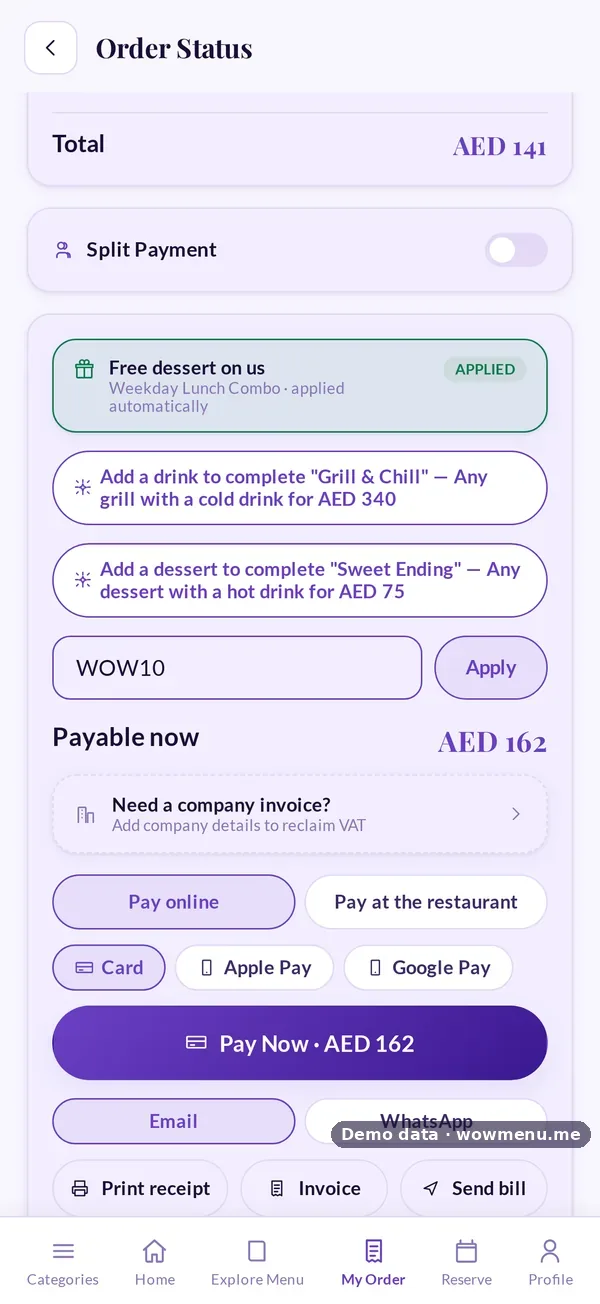
Take a spend-and-get offer: a free dessert when the bill reaches a threshold. These figures are only an example:
- The typical lunch bill is about AED 95
- The threshold is set at AED 120, just above it
- The dessert costs the kitchen about AED 12 to make
The offer only pays out when a table spends at least AED 25 more than usual, and costs AED 12 when it does. That is a very different proposition from 15% off every bill, which costs money on every table, including those that would have spent more anyway.
Eight campaign types, eight cost profiles
On WowMenu, campaigns come in eight types, and each costs money in a different way:
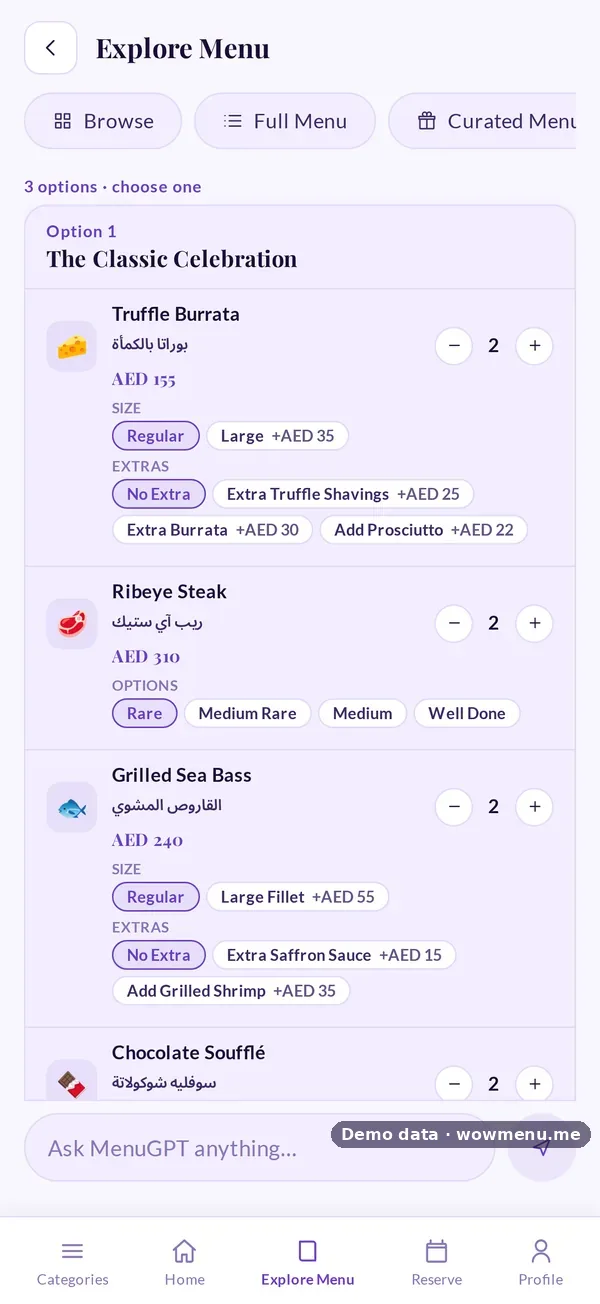
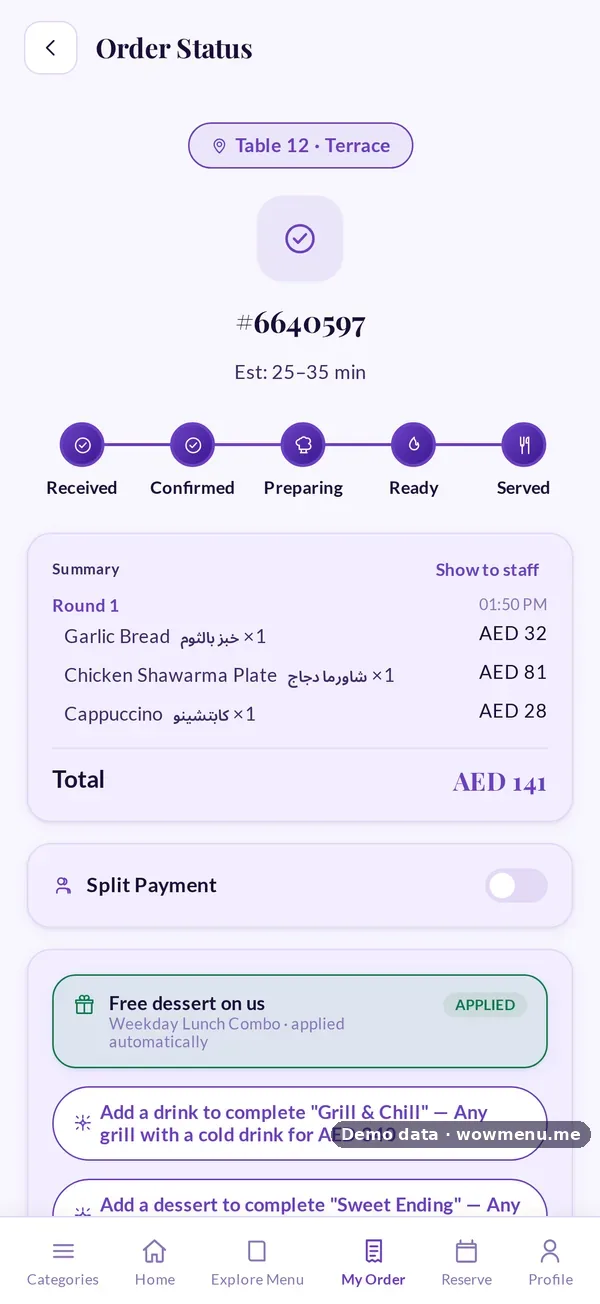
- Combo or bundle: a set price for a group of dishes. Costs the gap between the bundle and the separate prices.
- Buy one, get one: costs the free item every time.
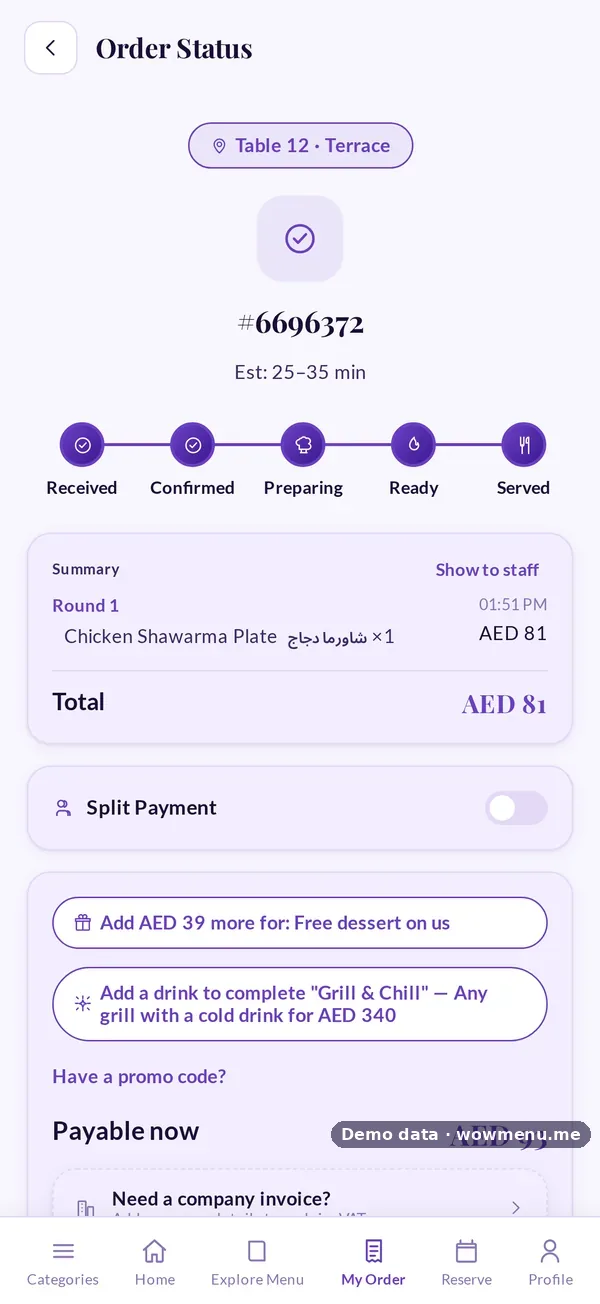
- Spend and get: costs only when a threshold is crossed.
- Straight discount: costs on every eligible sale, including full-price ones.
- Happy hour or time-windowed: limits the cost to a quieter slot.
- Loyalty points: a liability that builds until points are redeemed.
- Birthday and anniversary: small, personal and predictable.
- Challenge: a reward for visiting several times, earned before it is paid.
Set safeguards before you launch
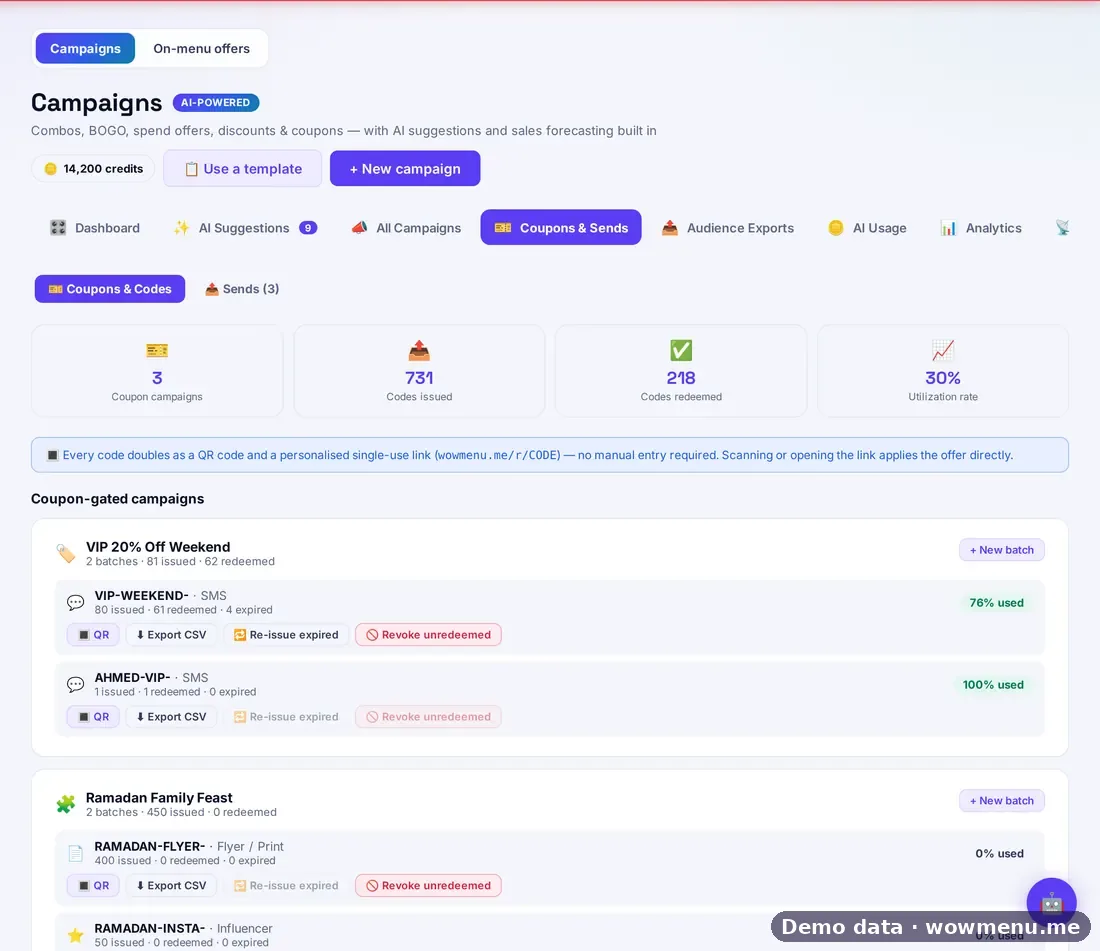
Every campaign should have limits: a redemption cap, a budget and an end date. The new-campaign dialog includes a Safeguards step for exactly this. Templates such as Weekend Brunch Bundle or First-Visit Welcome 15% are a sensible starting point.
Use estimates, then measure
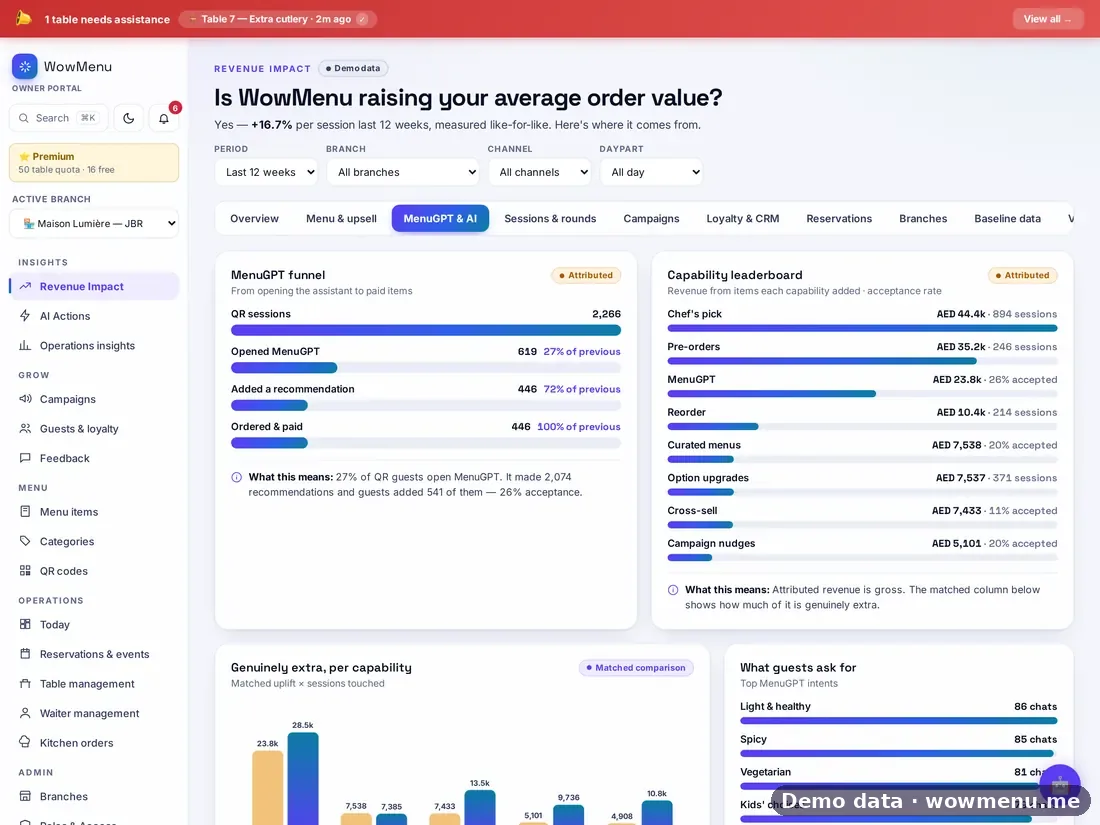
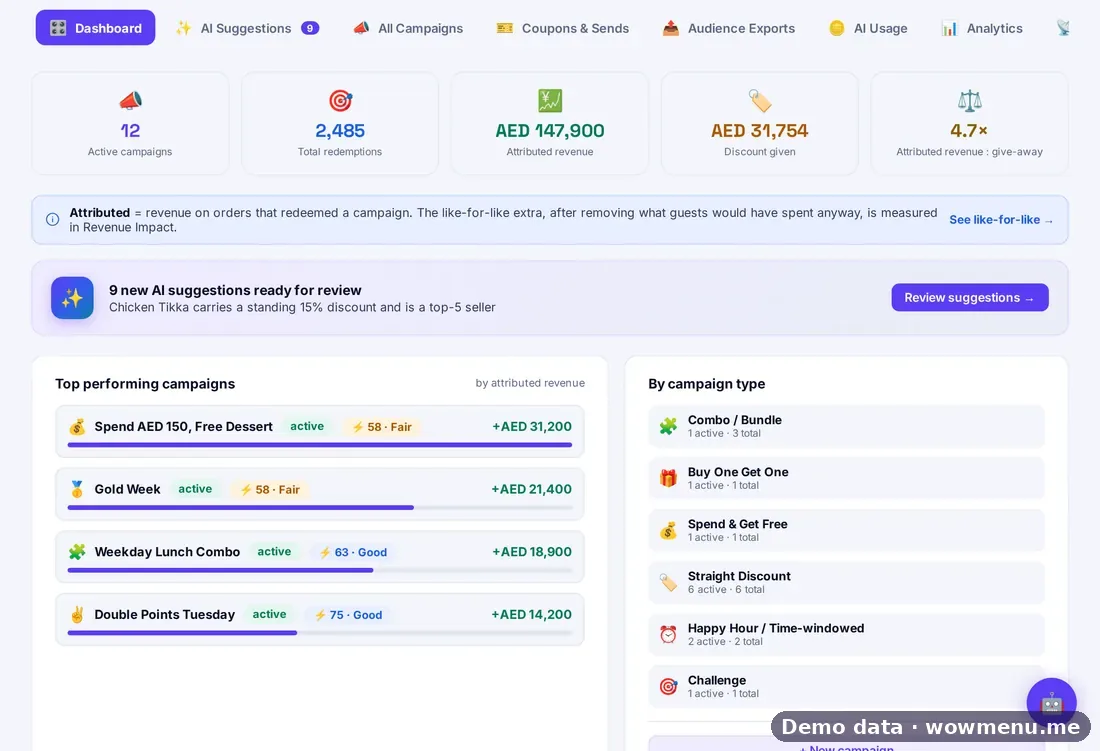
Before a campaign runs, AI Suggestions in the Owner Portal propose ideas with the evidence behind them, a confidence level and a forecasted impact range. Treat that range as an estimate. After the campaign runs, judge it on what actually happened: redemptions, attributed revenue and a 0 to 100 efficiency score.
Judge it like for like
Compare campaign weeks with comparable weeks: the same days, the same dayparts, ideally the same season. Revenue Impact compares each week with your own pre-launch baseline and labels each figure by its evidence, so a busy Friday is never measured against a quiet Tuesday.
To see which channel brings guests in, read how to compare promotion channels.