Fast Bill-Splitting or Smarter Ordering? What Pay-at-Table Apps Don't Solve
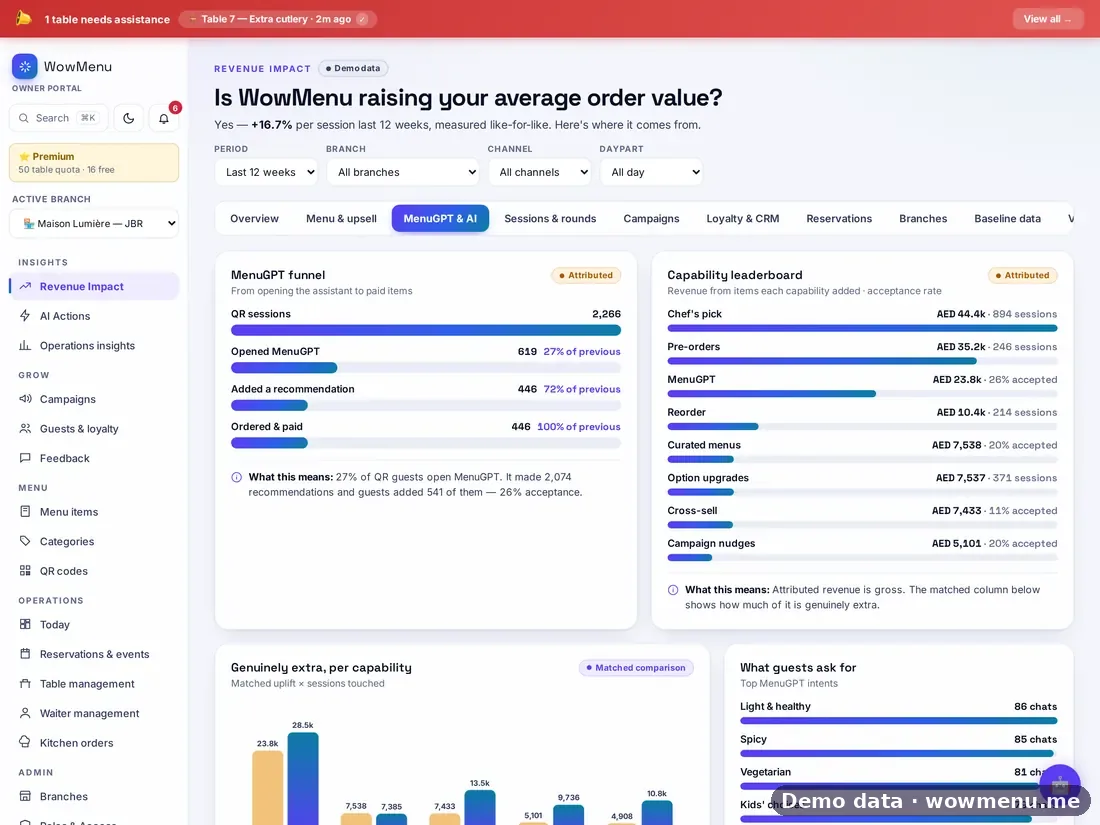
Pay-at-table apps solve a real problem. Waiting for the bill is one of the most common complaints in restaurants, and splitting it between friends is a close second. A QR code that lets the table pay and split in a minute is a genuine improvement. But it solves the last five minutes of the visit. Most of what a table spends is decided in the fifty minutes before.
What pay-at-table does well
- Guests pay when they are ready, without waiting for the card machine
- Splitting equally or by item is quick
- Tables turn faster at the end of the meal
What it does not touch
- What guests order. Nothing helps them discover a dish, add a side or try the dessert.
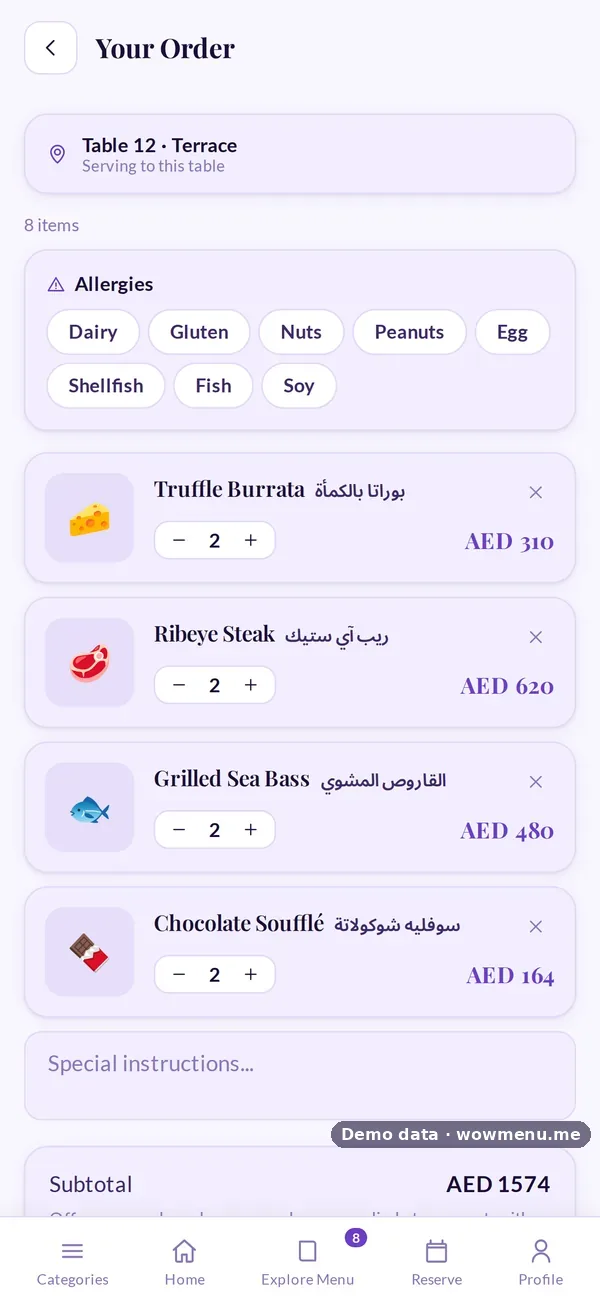
- Language. A guest reading in their second language still orders defensively.
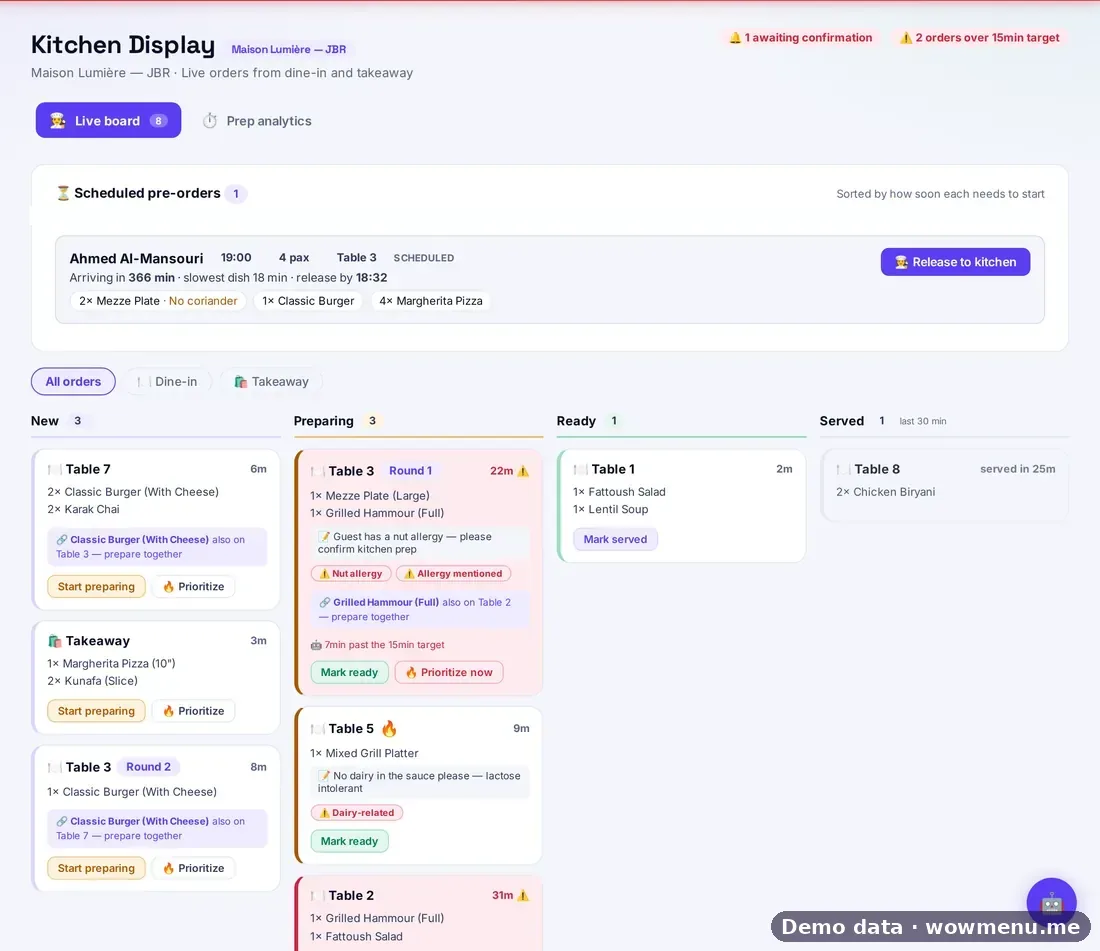
- The kitchen. Orders still go through the server's notepad and the till.
- Coming back. Paying faster does not make a guest return.
Ordering and paying in one place
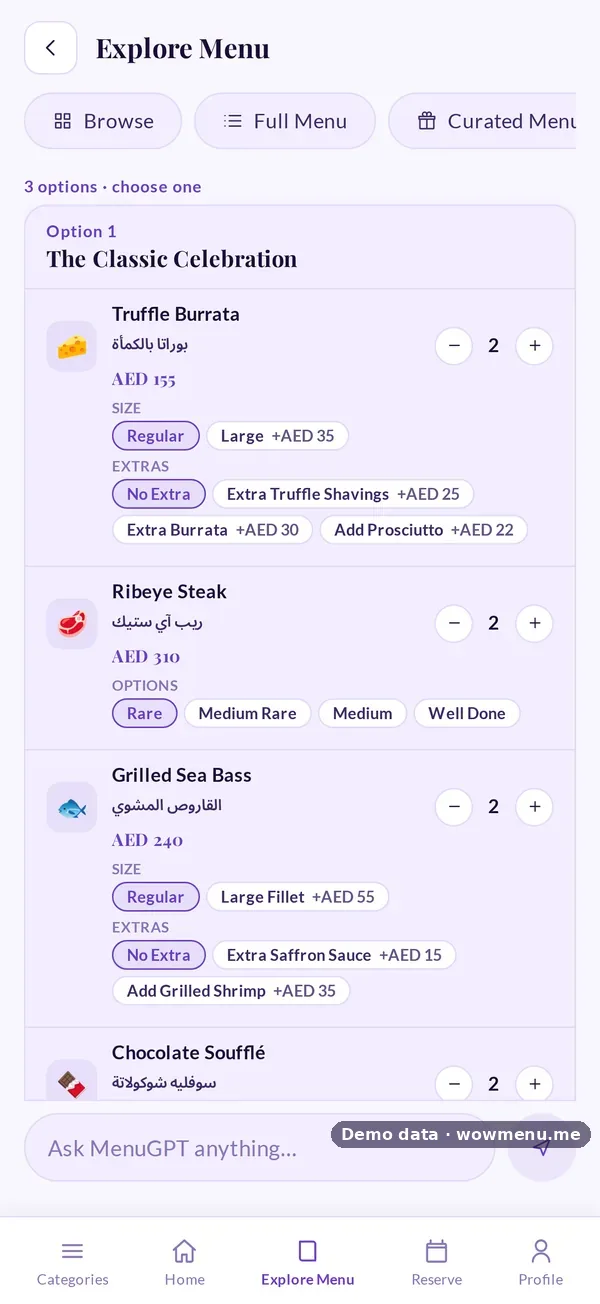
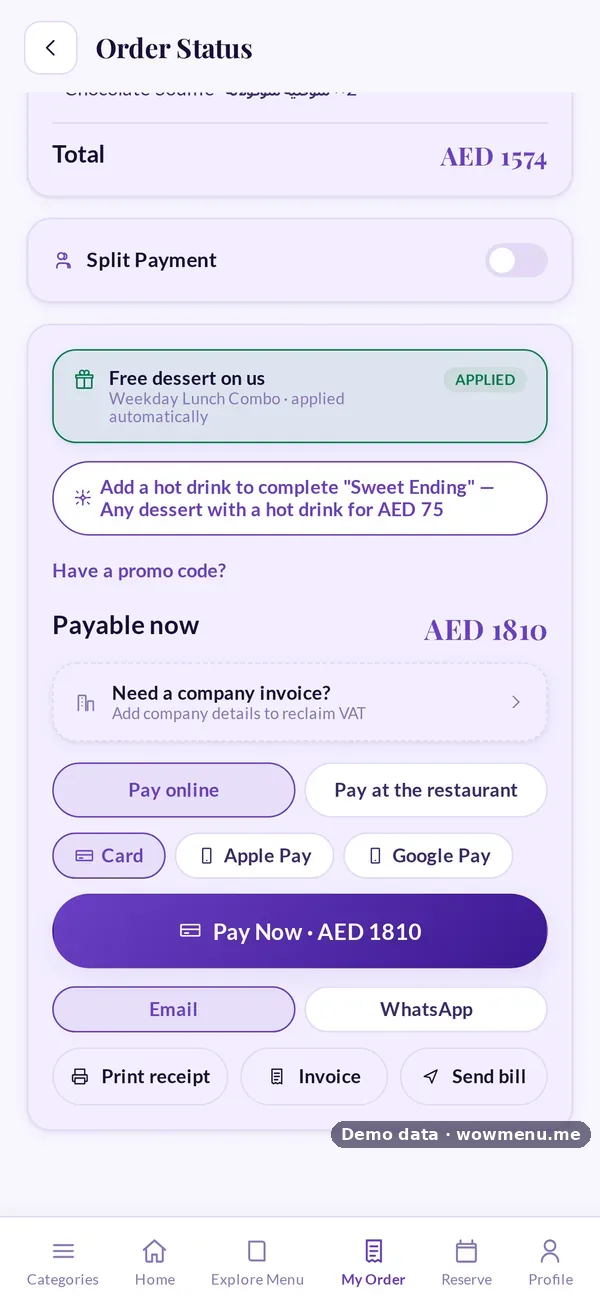
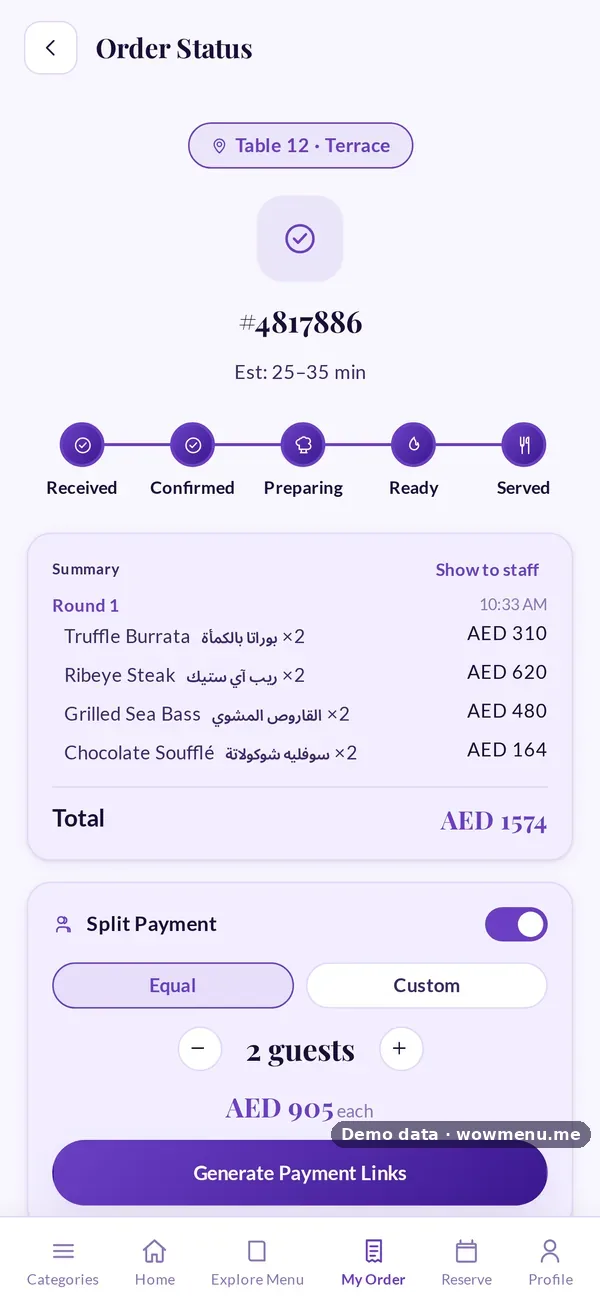
The bigger opportunity is a menu that does both. With a QR ordering system, the guest reads the menu in their language, gets recommendations, orders in rounds, follows the order to the kitchen, and then pays and splits from the same screen.
What to look for
- Ordering as well as payment, with tickets going to a kitchen display
- Recommendations from your real menu
- Pay online, or pay staff at the table with a reference
- Split equally or by custom amounts, with a payment link per guest
- Company invoices with the guest's tax number
- Loyalty and points that can be used at payment
- No commission on orders
The table's whole visit
Speed at the end of the meal matters. So does what happens before it: the menu that recommends, the order that reaches the kitchen without being rekeyed, and the reason to come back next week. Read how a QR ordering system works and see payments.