Why UK Restaurants Are Making Their Menus Multilingual
UK restaurants have long served guests from all over the world, and many are staffed by teams from all over the world too. A menu only in English asks both groups to translate in their heads. A multilingual menu removes that effort on both sides of the pass.
Who is at the table
City-centre restaurants serve tourists, students and business visitors, and neighbourhood restaurants serve communities whose first language is not English. A guest who can read the menu comfortably orders with more confidence, asks fewer questions and is more likely to try something new.
Who is in the kitchen and on the floor
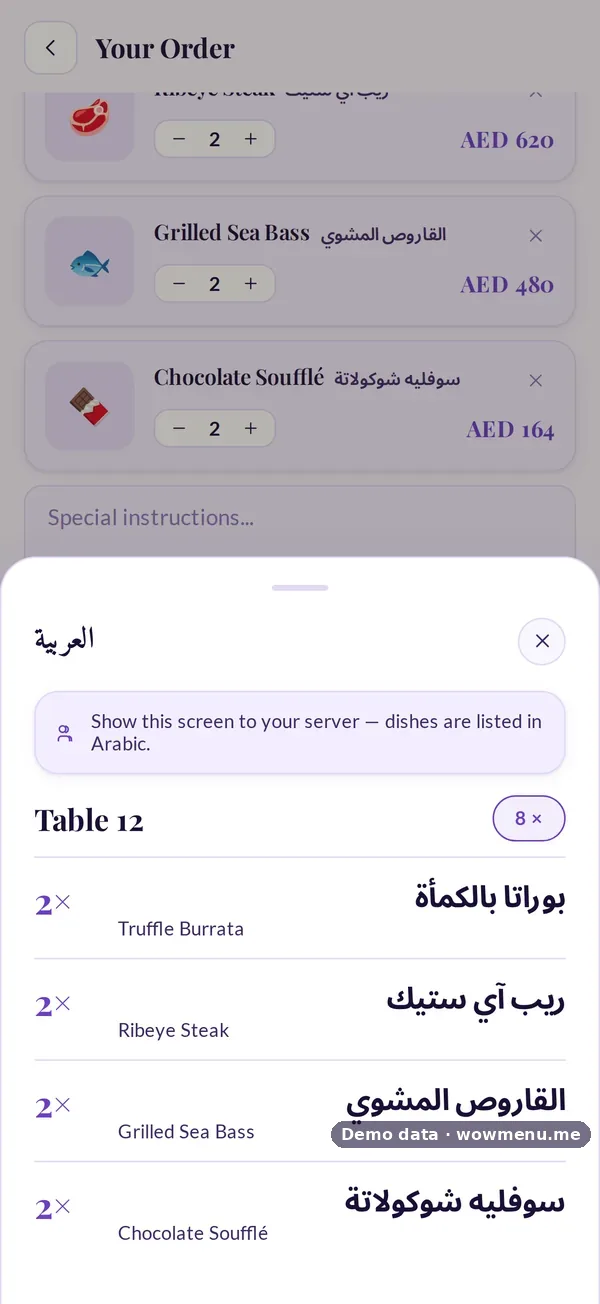
Many UK hospitality teams speak several languages between them. When the server reads an order in English but thinks in another language, small misunderstandings creep in at the busiest moments. A staff language shows dish names in your team's language too, and Show to staff opens the order in large text.
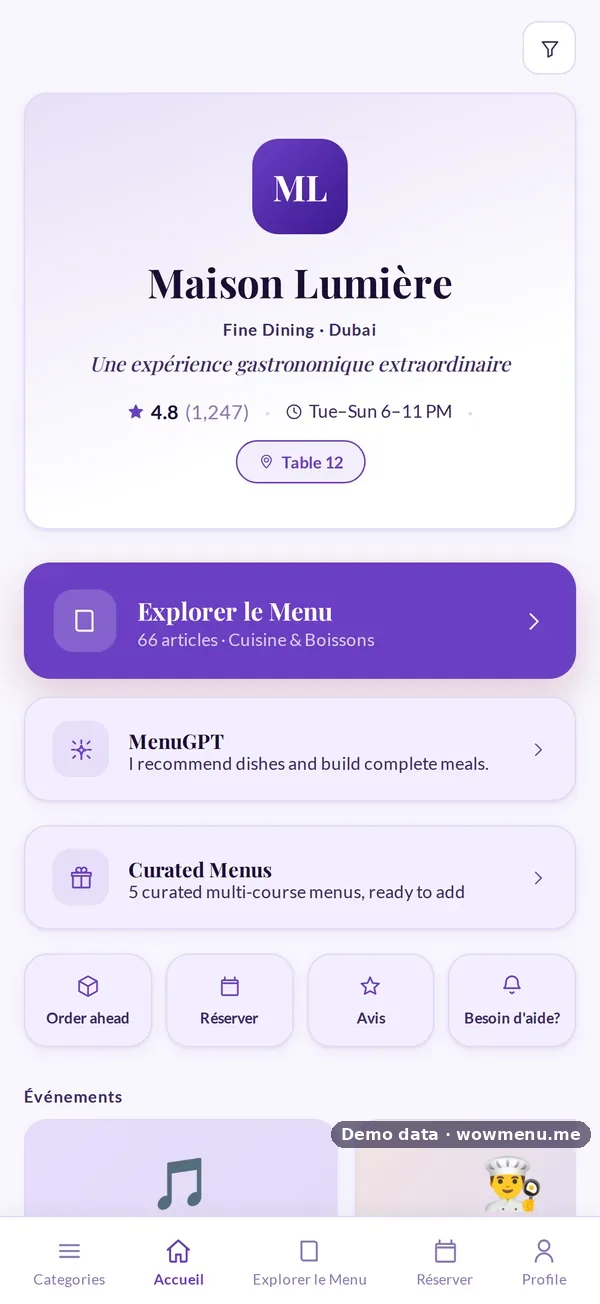
Which languages to switch on
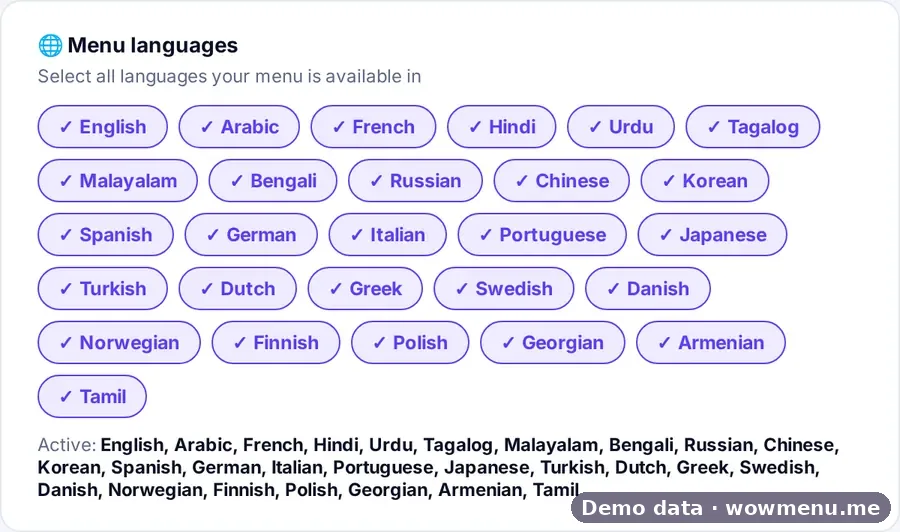
Start with the languages your guests actually speak. For many UK restaurants that might be Polish, Spanish, Italian, Portuguese, French, Turkish, Bengali, Urdu, Hindi, Arabic or Chinese. Add more as you notice who is at your tables.
Without translating every dish by hand
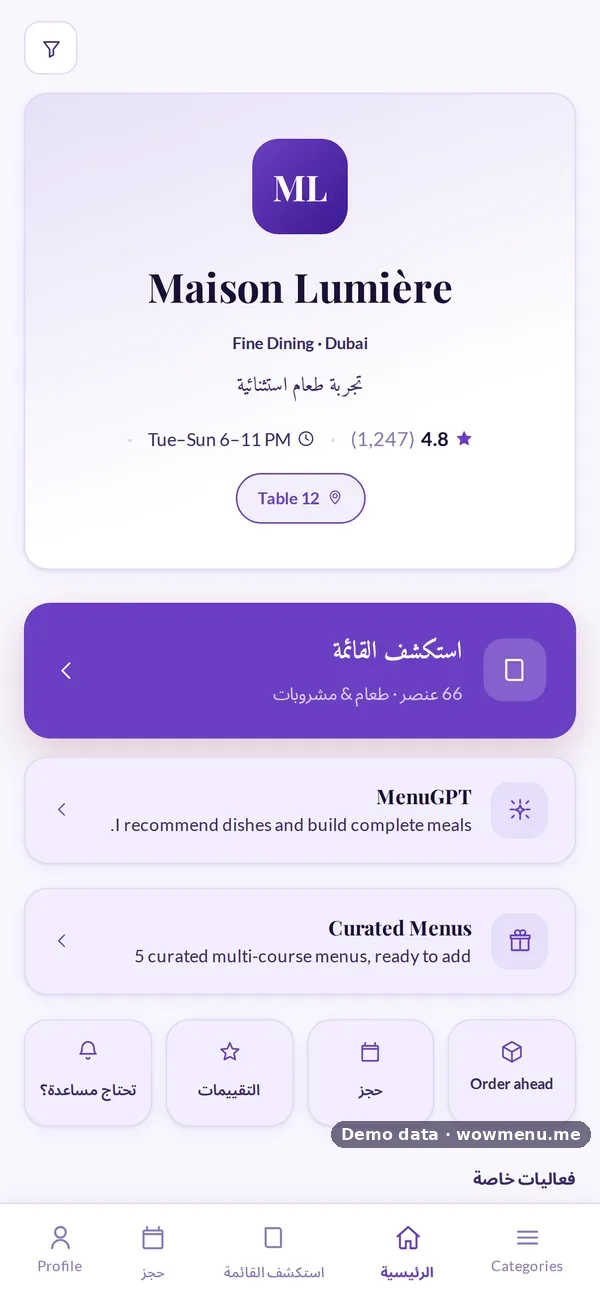
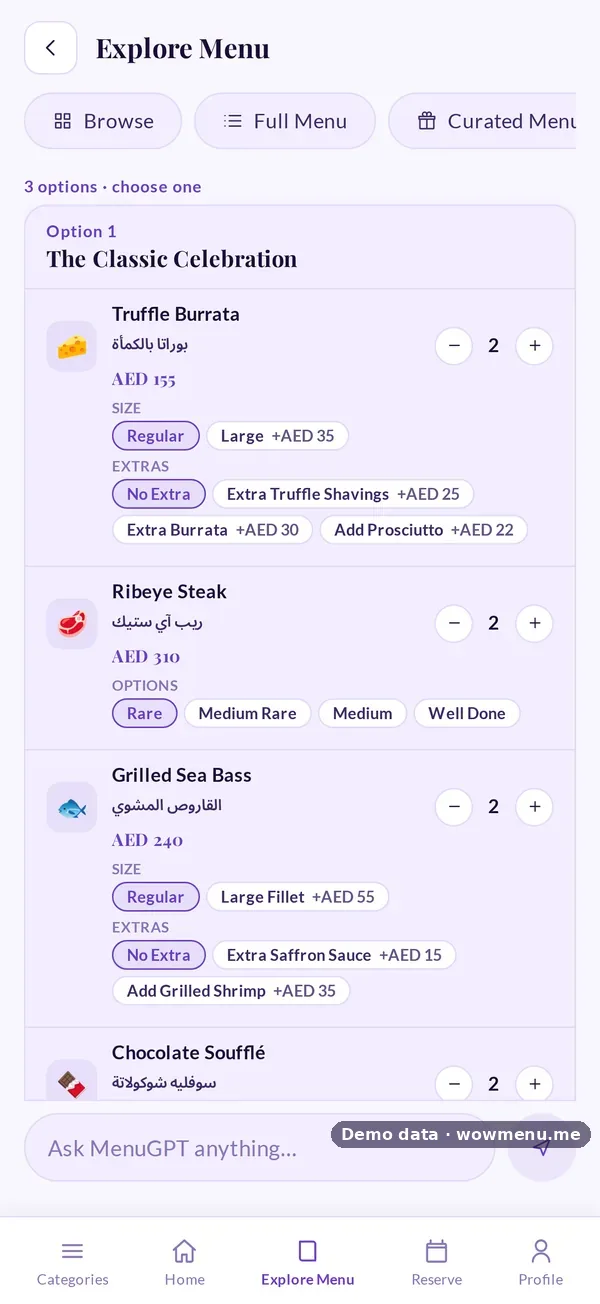
Write each dish once, in English. Switch on the languages you need, let Auto-translate fill them, then review your signature dishes. The whole menu follows the guest's choice: names, descriptions, filters, buttons and MenuGPT's answers.
What to get right
- Keep well-known dish names in their original form, and let the description explain
- Make sure allergens and dietary tags show in every language
- Review the dishes that matter most before you go live
- Choose one staff language that suits most of your team
See multilingual menus in the UK and staff-language ordering.